StarAndDaisy.in is now snd.in
Experience better faster shopping journey
Experience better faster shopping journey
Get It Same Day



SND Digital Private Limited
Copyright 2026 © StarAndDaisy
SND Digital Private Limited
Copyright 2026 © StarAndDaisy
Choosing the right water bottle size helps keep your child hydrated without adding extra weight to their bag. Here's a quick guide to standard capacities available for kids:
| Bottle Size | Best For | Why Choose It |
|---|---|---|
| 250 ml | Toddlers (1–3 years) | Lightweight and easy for tiny hands to hold |
| 300 ml | Preschoolers (3–5 years) | Perfect for short outings or snack breaks |
| 350 ml | Early learners (4–6 years) | Great mix of portability and capacity |
| 400 ml | Primary school kids (5–7 years) | Fits well in school bags; enough for the day |
| 500 ml | School kids (6–10 years) | Most common size; balances hydration and weight |
| 600 ml | Active kids and long school days | Ideal for outdoor play or extra thirst |
| 750 ml | Older kids or sports activities | High capacity for long hours or physical activity |
| 1,000 ml | Teens or day-long outdoor trips | Great for extended travel, not ideal for small kids |
FAQS
A Kids Water bottles with a capacity of 12 to 20 ounces (350 to 600 ml) is generally suitable for school kids. This size is manageable for children to carry and ensures they have enough water to stay hydrated throughout the school day.
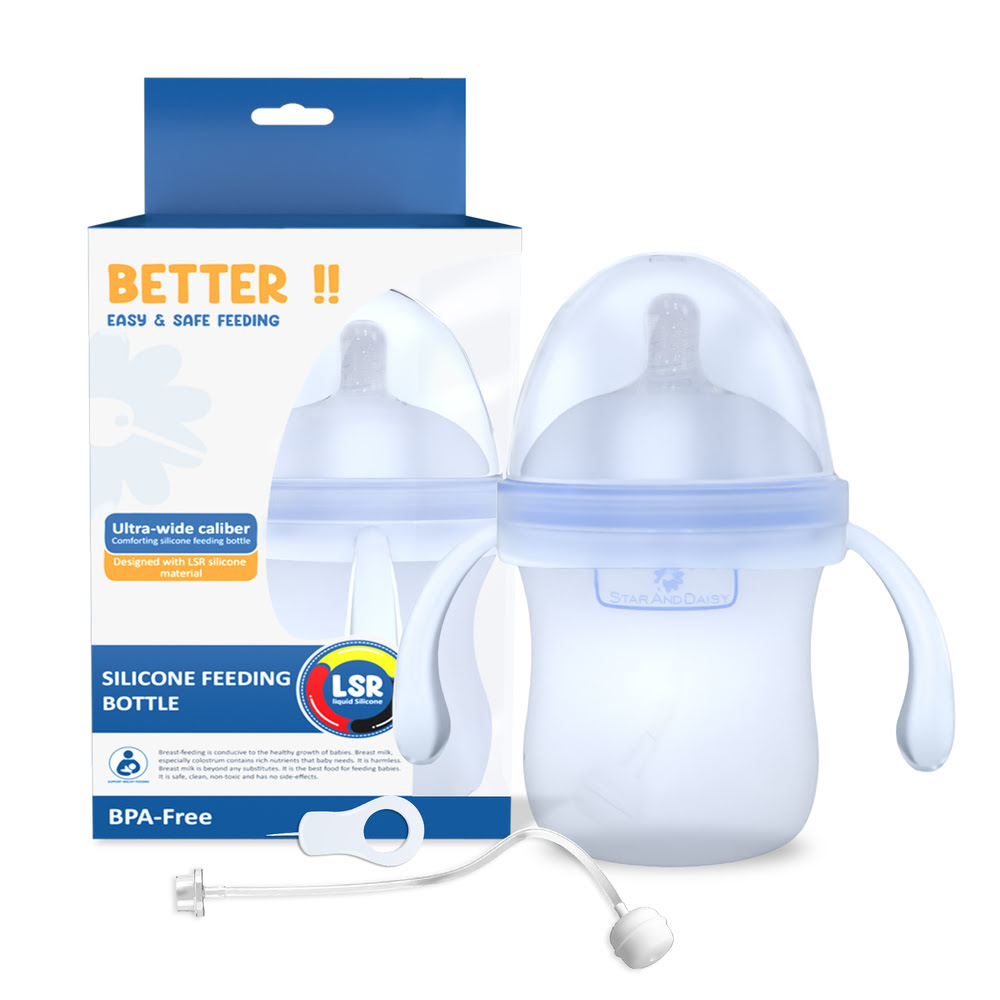
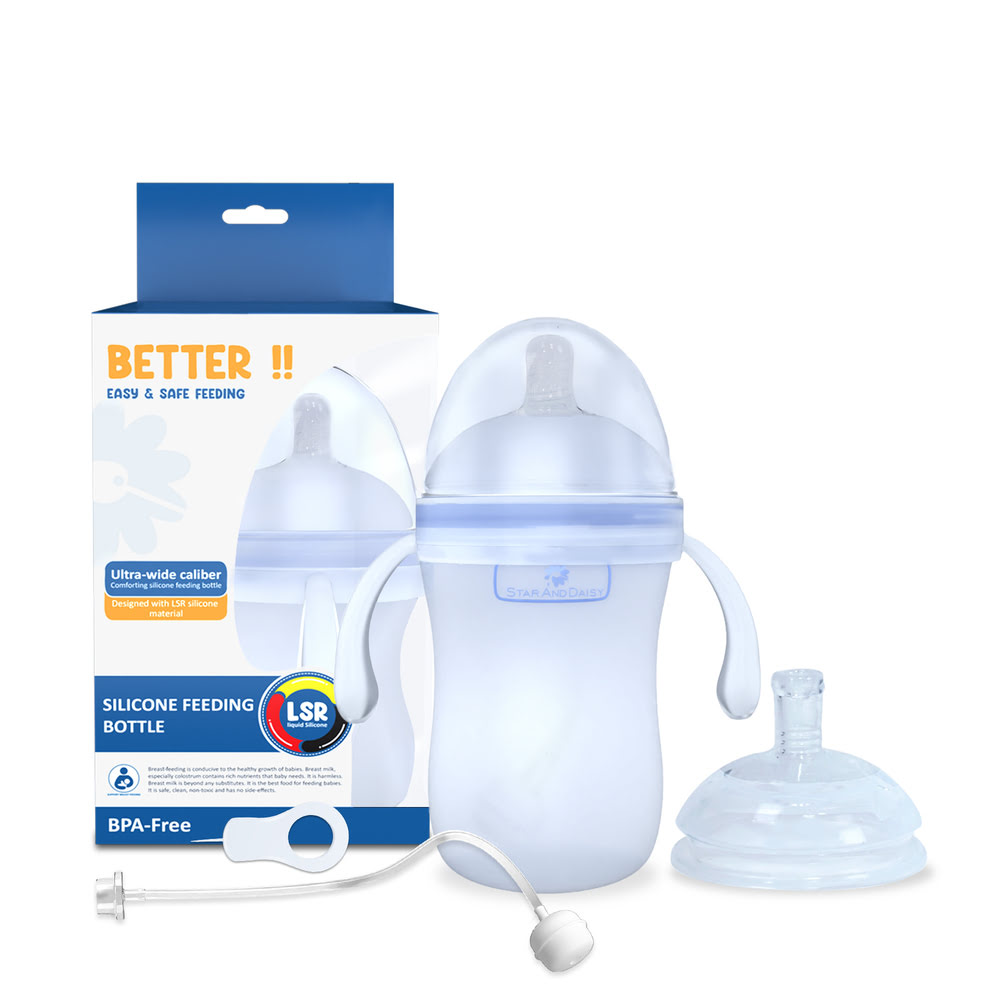
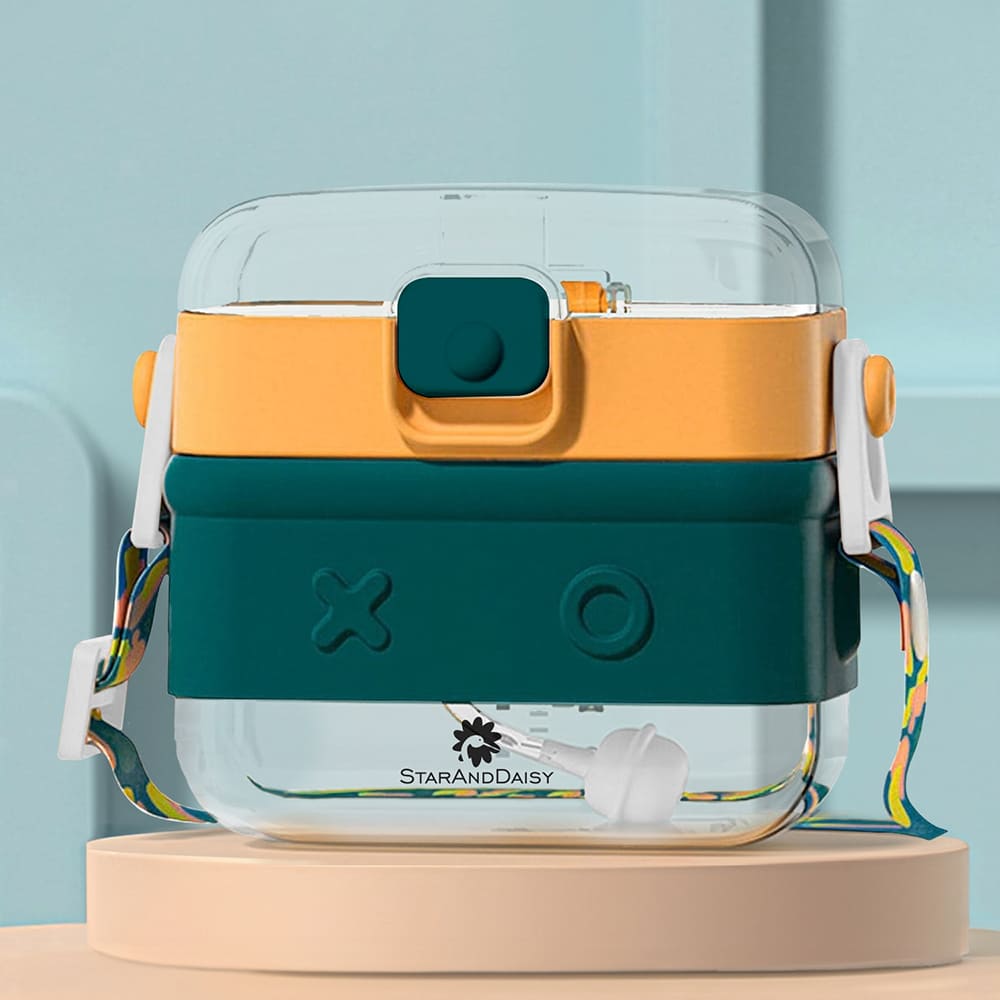
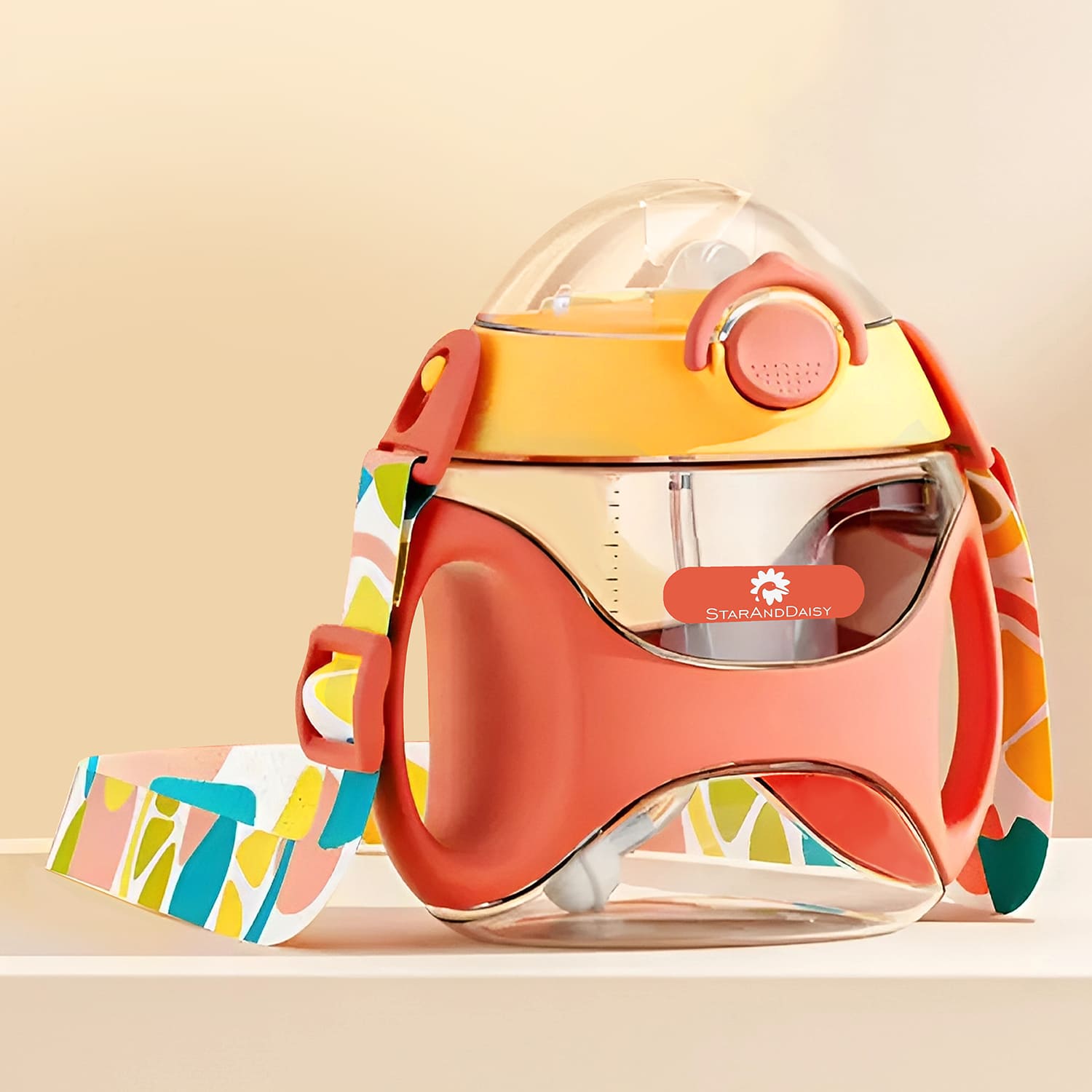
Kids Water bottles are made by Stainless steel and BPA-free plastic materials are popular choices. Stainless steel is durable and keeps drinks cool, while BPA-free plastic is lightweight and easy to handle. Silicone Sippers Water bottle is also a good option for kids sippers as it's soft and flexible.
Both have their advantages. Bottles with straws or sippers are easier for young kids to drink from without spilling. They also promote better oral hygiene by reducing the risk of backwash compared to open-mouth bottles.
Regularly clean the bottle and all its parts thoroughly. Look for bottles that are dishwasher safe and easy to disassemble for cleaning. Additionally, inspect for any signs of wear or mold, especially in the straw or sipper components.
Look for features like a leak-proof design, easy-to-use spout or sipper, durable construction, easy-to-clean components, and an appropriate size for your child’s age and hydration needs.
Choose a water bottle with a unique design or label it with your child's name and contact information. Some bottles come with personalized labels or can be customized with stickers to make them easily identifiable.
Insulated bottles are beneficial as they keep drinks cold or hot for longer periods, which can be especially useful in maintaining the temperature of the water throughout the school day. However, non-insulated bottles can also work well if they are used primarily for short periods.
Use a bottle brush and a straw cleaning brush to thoroughly clean the interior and the straw or sipper parts. Dishwashing soap and warm water are usually sufficient, but you can also use a mixture of baking soda and vinegar for a deeper clean.
Ensure the water bottle is made from BPA-free materials and is free from harmful chemicals. Check that there are no small detachable parts that could pose a choking hazard and that the bottle is sturdy enough to withstand drops and rough handling.
Choose a water bottle with a fun and appealing design that your child likes. Set a good example by drinking water regularly yourself. You can also make it a habit for your child to take sips at certain times of the day, such as after each class or during breaks.
Help & Feedback